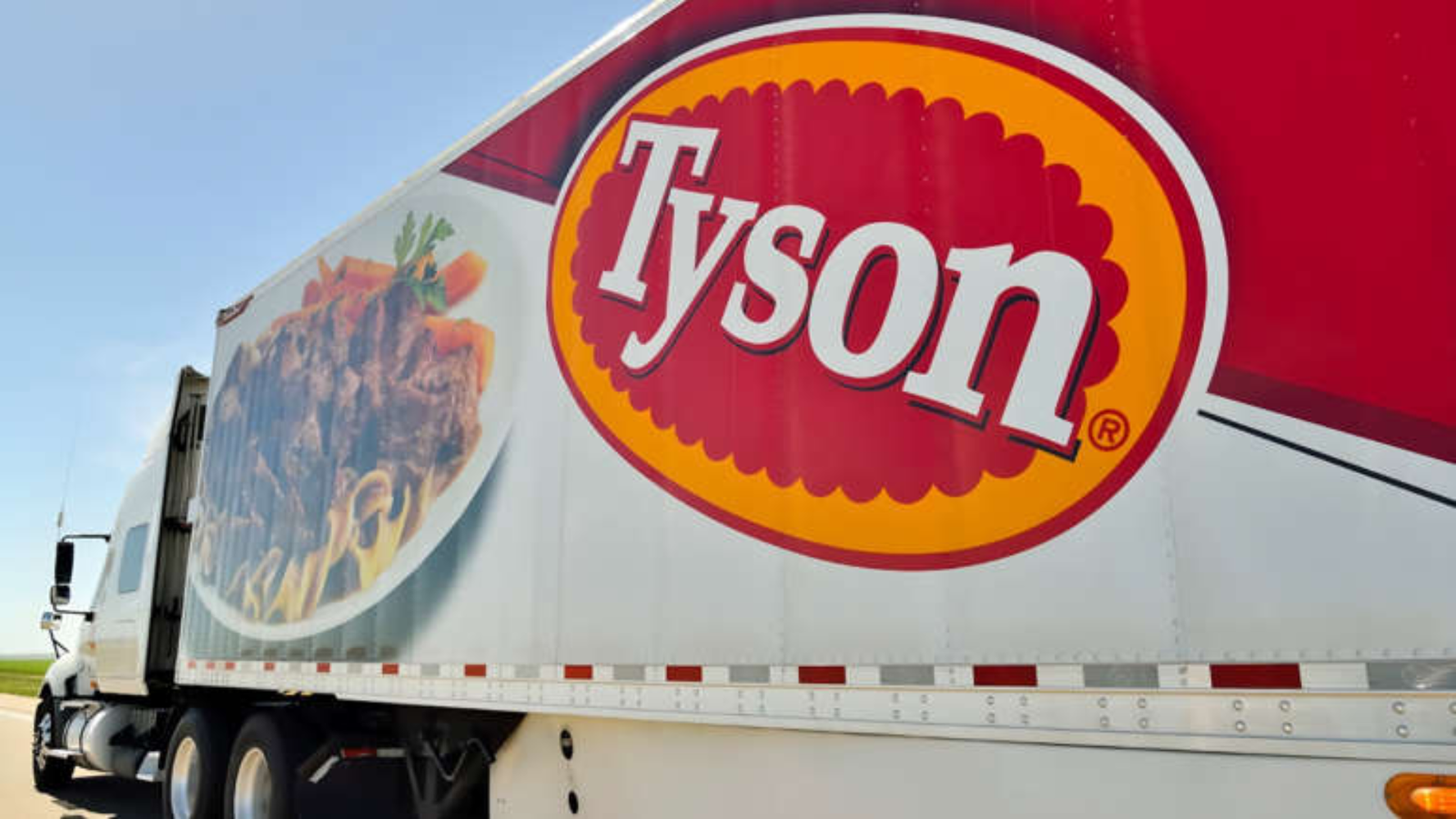
In late November 2025, Tyson Foods announced that it will permanently close its beef processing plant in Lexington, Nebraska, and cut down operations at its Amarillo, Texas facility. The closures come as the U.S. cattle supply has dropped to the lowest level in nearly 75 years. This move will affect nearly 4,900 workers across the two plants.
The decision reflects a deep crisis in the cattle industry: with fewer cattle available, beef processors like Tyson are facing soaring input costs and heavy financial losses on their beef business.
Why Tyson Says It Was Necessary
- The U.S. cattle herd size has shrunk drastically, forcing meatpackers to pay much more for limited livestock.
- Tyson’s beef division has reported large losses — millions of dollars in the past year alone — making some plants financially unsustainable.
- By shutting older, less efficient plants and consolidating operations, Tyson hopes to reduce costs and stay afloat in a shrinking market.
What the Closures Mean: Impact on Workers, Communities and Beef Supply
| Location / Plant | Workers Affected | Estimated Impact |
|---|---|---|
| Lexington, Nebraska plant | ~3,200 jobs lost | Major blow to a small city where the plant employed a large share of residents |
| Amarillo, Texas plant (shift cut) | ~1,700 jobs impacted | Reduced processing capacity; some relocated or reassigned workers |
The closure of the Lexington plant — which could process up to 5,000 cattle per day — removes a significant portion of national beef-processing capacity. Experts estimate the overall U.S. slaughter capacity could drop by 7–9 percent. This will likely strain beef supply in coming months.
For Lexington, a town deeply reliant on the plant, the impact is profound. Many families now face unemployment, and small businesses that depend on plant workers are bracing for economic hardship.
Bigger Picture: Why Cattle Shortage Hits Hard
Droughts, high costs and shrinking herds
Ranchers in many parts of the country have slashed their herds over the past few years. Droughts, high feed and land costs, and low return on cattle have discouraged them from rebuilding herds. As a result, there are far fewer cattle available for slaughter.
Rising costs and falling profits
With limited cattle, prices for livestock have surged. For companies like Tyson, this means paying more for raw material while demand — and retail beef prices — also rise. Their beef processing business has suffered heavy losses, prompting restructuring.
Market change: fewer big processors, tighter supply
The shutdown of big plants like Lexington and scaled-back shifts in Texas reflect a broader shift in the meat industry. As large processors shrink operations, supply becomes tighter and more dependent on remaining, more efficient plants.
What This Means for Consumers and the Beef Industry
- Potential beef price increases: With less processing capacity and tighter supply, beef prices may stay high or go even higher.
- Strain on ranchers: Lower demand for cattle may discourage ranchers from rebuilding herds, prolonging the shortage.
- Job uncertainty: Thousands of workers and whole communities may struggle as plant closures ripple through local economies.
- Industry consolidation: Meatpacking and processing may concentrate in fewer, larger, more efficient plants — reducing redundancy and flexibility.
What Tyson Could Have Done — Or Must Do Next
- Offer support and retraining for displaced workers — relocation packages, job placement in other plants, or alternative job training.
- Explore diversifying operations into other protein sectors (like poultry or plant-based meats) to reduce reliance on beef.
- Work with industry and government to encourage rebuilding of cattle herds, to restore supply over time.
- Increase transparency with communities, so local economies can prepare and adjust.
Conclusion
The closure of Tyson Foods’ major beef plants underscores how deeply the current cattle shortage is affecting the meat industry. The bold decision to shut the Lexington plant and cut shifts in Amarillo shows that companies are under intense pressure to adapt or face continued losses.
For workers, ranchers, and consumers, the effects will be far-reaching: lost jobs, tighter supply, and rising prices. This moment may mark a shift in the U.S. beef industry — one driven by scarcity rather than plenty.
Unless producers, companies, and communities respond carefully, this could be the start of longer-term disruptions in how beef is grown, processed and sold across America.