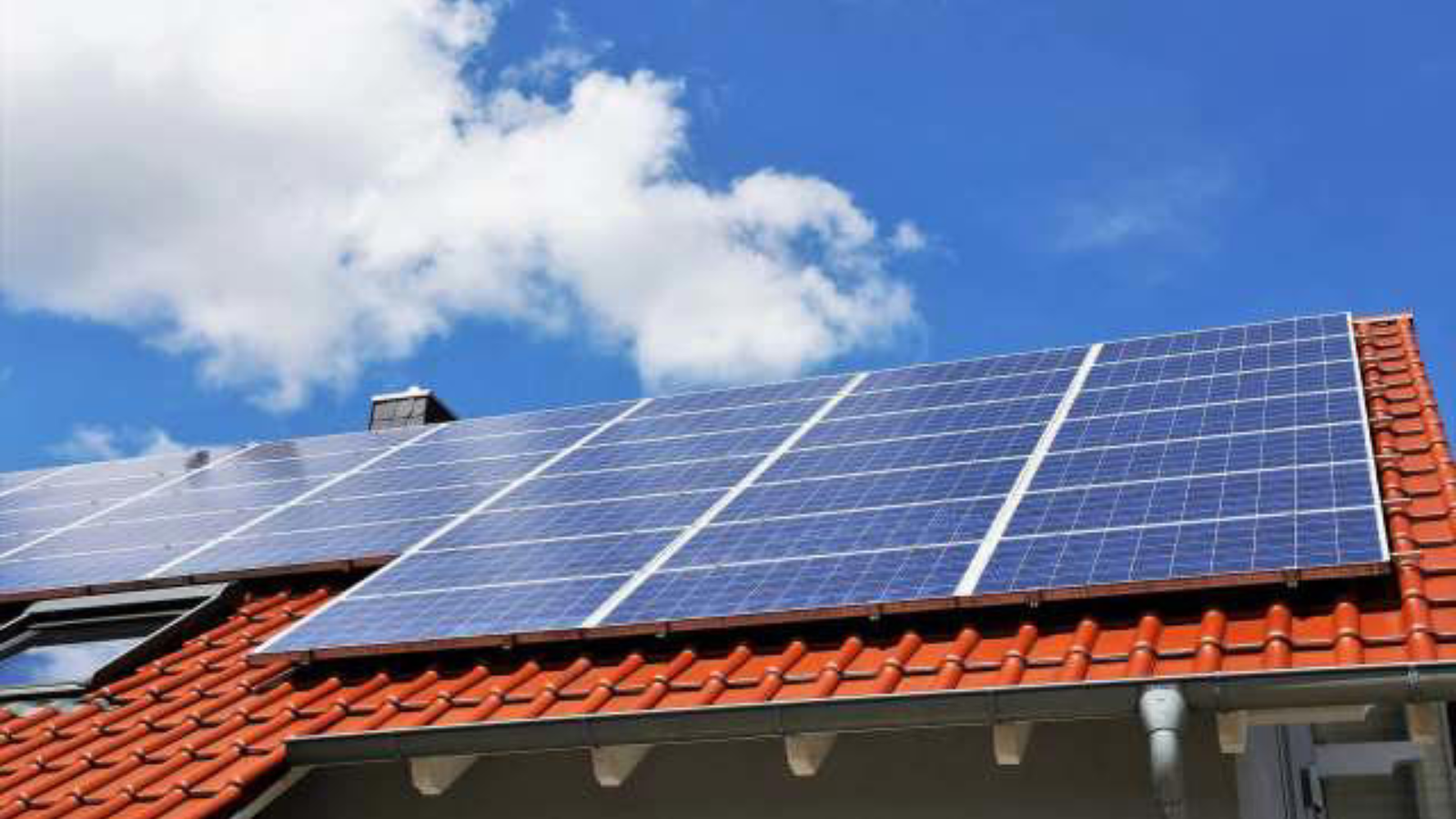
A homeowner recently shared a solar panel proposal that seemed unbeatable: no upfront cost, installation of panels (and batteries), and a fixed monthly payment that was much lower than their current electricity bills. On paper, it looked like a great way to cut energy costs. But the reaction from online financial and homeowner communities? Warning bells went off.
Many experts and consumers are now saying offers like these — especially when they promise big savings and no money down — often hide major risks. The reality of going solar may be far different from the glossy sales pitch.
That homeowner’s story serves as a sharp reminder: when a solar deal feels “too good to be true,” it could very well be a trap.
What’s Common in Risky Solar Offers
Red Flags to Watch
- Promises of “free installation” or “zero-down costs”
- High-pressure sales tactics urging immediate signing
- Guarantees of dramatic savings on energy bills, without evidence
- Vague contract terms or refusal to provide full paperwork upfront
- Claims of exclusive rebates or government subsidies that seem unofficial
These tactics are commonly used by bad actors in the solar sector. They exploit the demand for affordable energy and environmental friendliness to lure homeowners into risky deals.
Why These Deals Can End Up Costly
- You might end up paying more over time through hidden fees, increasing monthly bills, or expensive maintenance.
- The solar panels may be leased or on a long-term contract — meaning you don’t own them, and resale of your property could become complicated.
- If the company providing the installation is not reputable, you risk poor workmanship or even installation that may never be completed.
- Some “savings guarantees” might be based on unrealistic assumptions about how much energy you’ll use or when. Actual electricity use, roof orientation, local weather, and panel efficiency all play a role — and those vary widely.
What Homeowners Should Do — A Safety Checklist
| Step | Why It Matters |
|---|---|
| Get 3 separate quotes from different certified solar installers | This helps expose unrealistic low-cost offers and gives you a real comparison of costs and quality |
| Verify the installer’s licenses and credentials | Reduces risk of poor workmanship, scams, or sudden disappearance of the company |
| Ask for a full written contract — including system specs, payment plan, warranty, performance guarantee, and what happens if system fails | Some contracts hide extra costs, unclear terms, or vague warranty commitments |
| Avoid high-pressure sales — don’t sign on the spot | Real deals don’t need you to rush; scammers rely on urgency to bypass your doubts |
| Understand the type of agreement — lease, loan, or purchase | Owning panels gives long-term value; leases or poorly structured deals may cost more over time |
The Bigger Picture: Why Solar Offers Are So Tempting — and Risky
The demand for solar energy has grown rapidly. Many homeowners want to reduce their electricity bills and lower their carbon footprint. Combined with generalized anxiety over rising energy costs, this demand has created fertile ground for aggressive — and sometimes dishonest — solar marketing.
Unfortunately, a subset of companies and individuals take advantage of that demand with misleading offers. They market solar as an instant fix or “free energy” solution, rather than a careful long-term investment.
Sometimes, homeowners who thought they were switching to clean energy end up with high monthly payments, unclear ownership status, or unresolved installation problems.
Conclusion
Going solar can be a smart move — but only when you approach it with caution and the right research. A slick sales pitch or “no upfront cost” deal does not guarantee savings or quality.
Before you sign anything, double-check credentials, compare multiple offers, read the fine print carefully, and always assume that if something feels too good to be true, it probably is. Smart homeowners who take their time and ask the right questions stand the best chance of getting actual value — not a hidden trap.
FAQs
Q: Is it safe to accept a “free solar panel installation” deal?
A: Not always. Many “free” deals are actually leases or contracts that may include hidden costs. It’s important to verify details and read the contract carefully.
Q: How can I check if a solar installer is legitimate?
A: Ask for license and certification, check for reviews or complaints online, and request references. Reputable companies should have verifiable credentials.
Q: What type of solar agreement gives the most long-term benefit?
A: Buying panels outright (or through a transparent loan) tends to give the most value over time. Leases and vague “power purchase agreements” may be convenient but often carry more risk.
Q: Are big savings on electricity bills guaranteed with solar panels?
A: No. Savings depend on many factors — roof orientation, how much power you use, weather, panel efficiency, and proper installation.
Q: What are the red flags of a scammy solar offer?
A: High-pressure sales, unrealistic savings claims, no clear contract, hidden fees, unverifiable installer credentials, and claims of secret subsidies or government rebates.